









From Factory Floors to Global Brands: How Hong Kong Manufacturers Built Trust Worldwide

For decades, Hong Kong has stood out as a place where small workshops evolved into global players by earning one thing that cannot be copied easily: trust. This article explores how that trust was built and why it still matters in today’s digital, borderless marketplace.
Humble beginnings, big ambitions
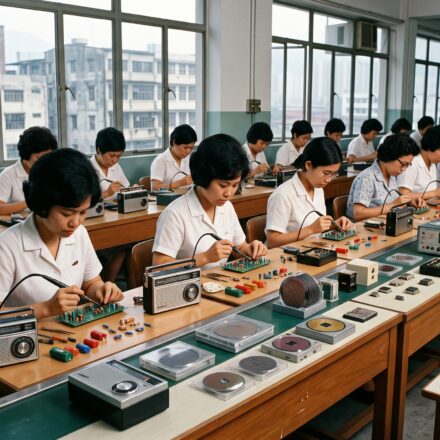
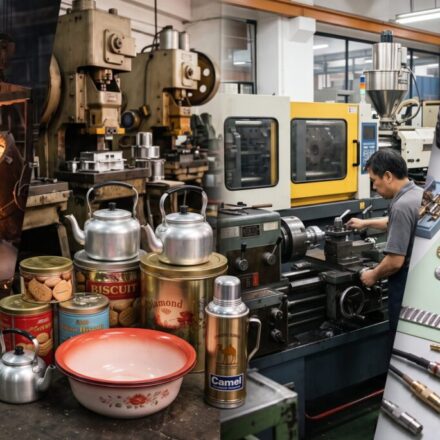
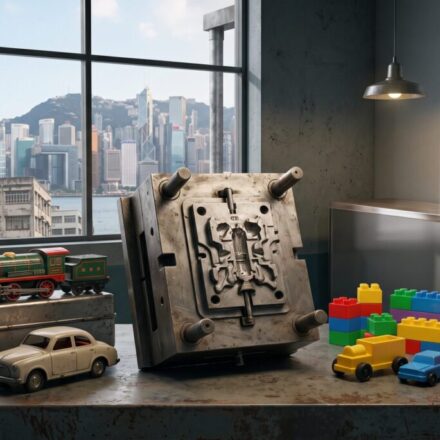
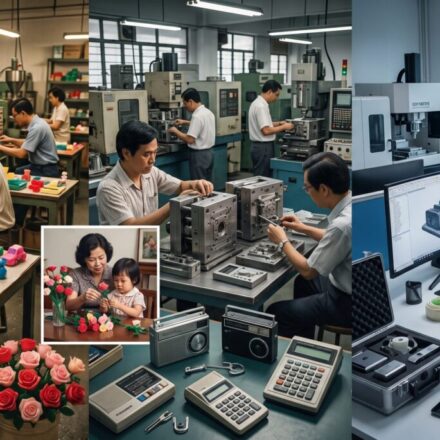
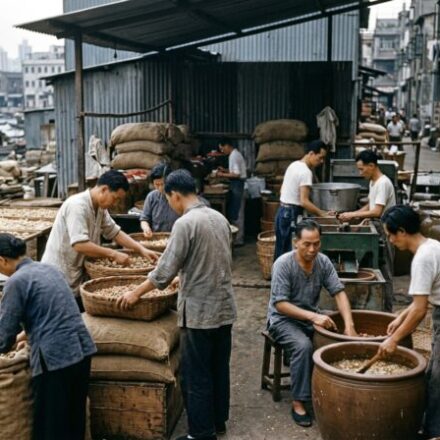
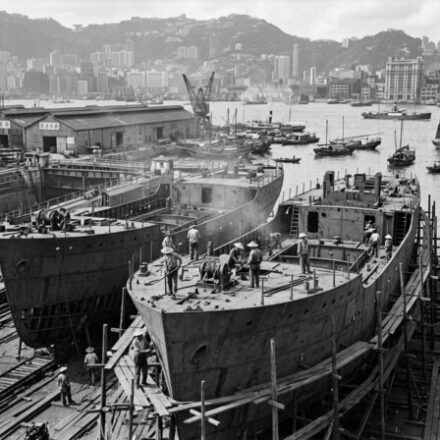
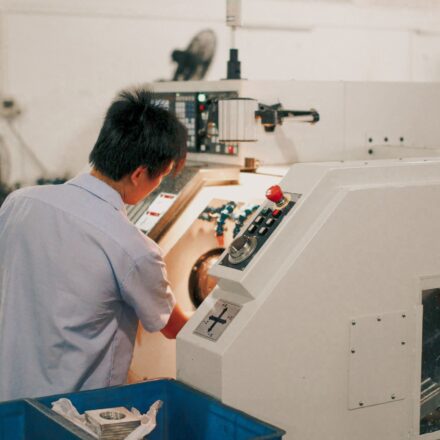
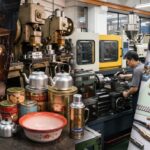
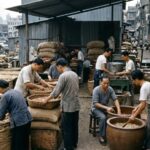
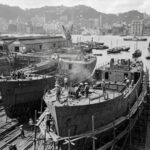
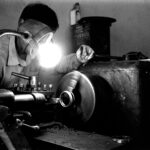
In the 1960s and 1970s, many Hong Kong factories started with labour‑intensive products such as toys, garments, plastic goods, and simple electronics, competing mainly on speed and responsiveness rather than scale.
Owners worked closely with overseas buyers, learning international standards, refining quality control, and gradually turning “Made in Hong Kong” from a low‑cost alternative into a reliable choice.
Quality as a long‑term strategy
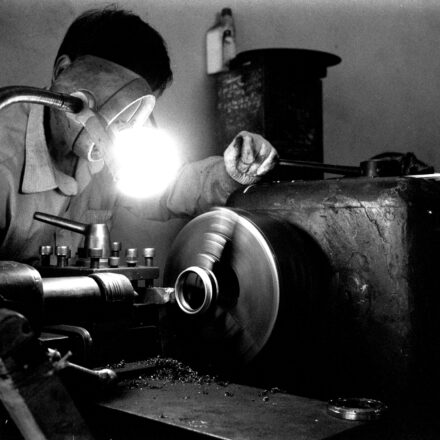
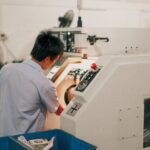
As global demand rose, Hong Kong manufacturers invested in better tooling, testing, and certification, making on‑time delivery and consistent quality part of their identity rather than a marketing slogan.
This discipline helped local companies survive rising costs and intense competition, positioning Hong Kong suppliers as partners who solve problems instead of just filling orders.
Moving up the value chain
When production shifted across the border in the late 1970s and 1980s, many Hong Kong companies kept their headquarters, R&D, and quality management in the city, focusing on design, branding, and complex coordination.
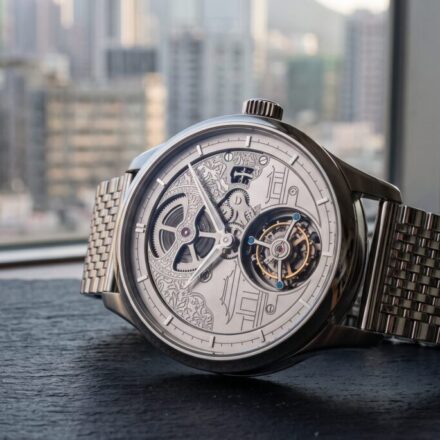
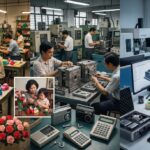
Over time, this created a new model where “Hong Kong manufacturers” became specialists in product development, certification, and logistics while using regional production networks to stay competitive.
Trust in the digital era
Today, buyers search online and compare dozens of suppliers within minutes, but the core decision still depends on trust, transparency, and proof of performance.
Platforms like made-in-hongkong.com help reinforce that trust by highlighting verified suppliers, clear product information, and Hong Kong’s long‑standing reputation for professional business practices.

Chief Editor, MIHK Focus
Directing editorial research on Hong Kong’s industrial history, heritage brands, and modern manufacturing trends. Focused on delivering structured observations, market insights, and archive-backed narratives on local production and commercial dynamics.
Follow Me