








The Origins of “Made in Hong Kong”: Manufacturing and Commercial Foundations in the Early Days of the Treaty Port

Where Did Hong Kong’s Manufacturing Industry Really Begin?
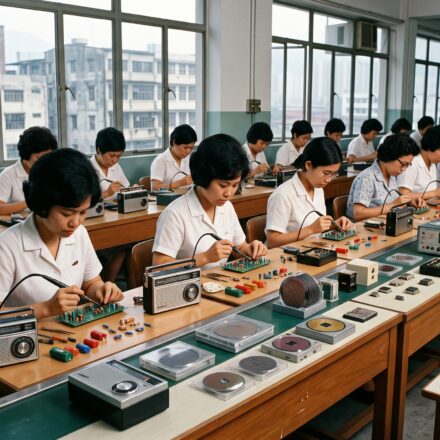
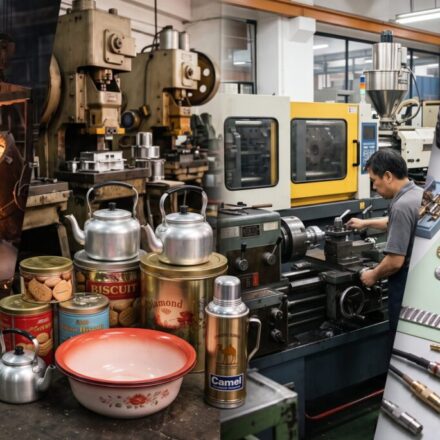
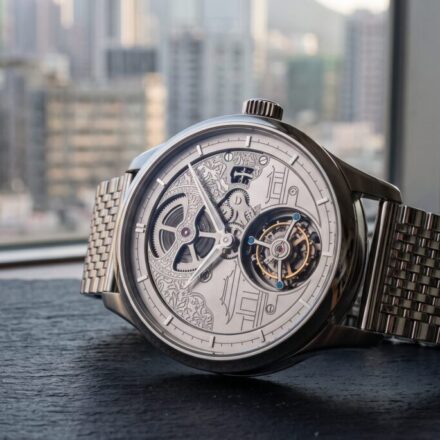
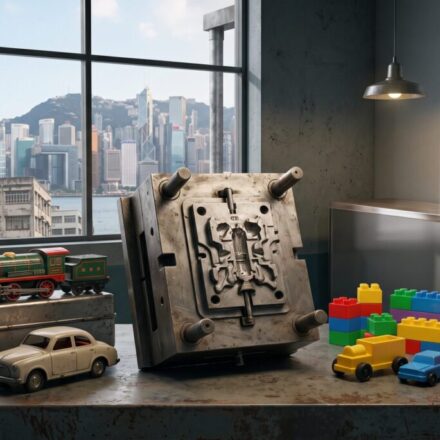
When people hear the phrase “Made in Hong Kong,” most immediately think of the golden age of textiles, plastic toys, and electronics that ran from the 1950s through the 1970s. But to properly answer the question “Where did Hong Kong’s manufacturing industry really begin?”, the answer has to be split into two distinct phases: first, the traditional rural industries of the original inhabitants before Hong Kong became a port in 1841; and second, the modern industrial system that emerged after 1841, driven by ocean shipping and urban development. Before diving into the timeline, it’s worth clarifying a few terms that are often used interchangeably — “Made in Hong Kong,” “Hong Kong brand,” and “Founded in Hong Kong” — so the examples that follow don’t get muddled.
Getting the Concepts Straight: Four Types of “Hong Kong Made” That Shouldn’t Be Confused
- Made in Hong Kong: Refers to products actually produced, refined, or assembled within Hong Kong’s borders — such as the white sugar refined in Quarry Bay in the late 19th century, or the cement manufactured in Hung Hom.
- Hong Kong brand: Refers to a brand whose business operations and registration originate in Hong Kong, even if its production lines later moved elsewhere.
- Founded in Hong Kong: Emphasizes where a company was born and built its commercial network — such as the trading houses and industrial firms established in the early years of the colony.
- Historically Made in Hong Kong: Refers specifically to industries that existed before or in the early years of the port but are no longer carried out at scale in Hong Kong today, such as salt harvesting, lime burning, or heavy shipbuilding.
With this framework in mind, we can answer more precisely: Hong Kong’s “earliest” manufacturing activity actually predates the golden age most people picture.
Local Production Before the Port Era: Salt, Incense, and Lime
Before Hong Kong became a free port in 1841, the region already had commercially oriented local production. These activities were essentially traditional crafts or extractive trades — small in scale and serving nearby towns and villages, without the capital or technical structure of modern industry. In other words, this was “historical production in the Hong Kong region,” rather than manufacturing in the modern sense:
- Fragrant wood processing: Incense trees were once widely cultivated across the New Territories and Lantau Island, with the processed wood shipped out through ports such as Aberdeen (once known as Heung Kong Tsuen, or “Fragrant Harbour Village”). Folk tradition holds this as one possible origin of the name “Hong Kong,” though the theory remains disputed among scholars rather than settled fact.
- Salt production: Salt pans operated along the coasts of Tai O and Kowloon Bay as early as the Song and Qing dynasties, using seawater evaporation to supply salt to the local area and neighboring regions.
- Lime kilns and limestone burning: In places such as Peng Chau, Tsing Yi, and Stanley, villagers built kilns to burn coral and shells into lime, used both as a building material and as a preservative in agriculture and fishing.
The Beginnings of Modern Industry After 1841: Shipping and Maintenance-Related Trades
After Hong Kong became a free port in 1841, maritime trade quickly became the backbone of its economy. The city’s earliest modern manufacturing industries developed almost entirely around two needs: supporting shipping and building urban infrastructure.
Shipbuilding and Repair
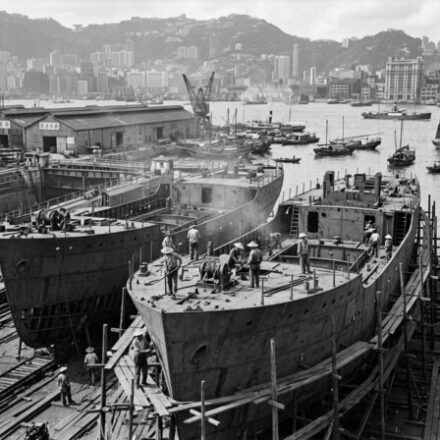
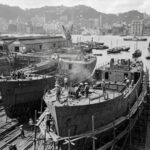
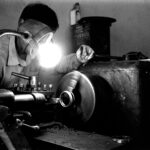
The steady stream of ocean-going vessels passing through Victoria Harbour created enormous demand for dock repair and construction. In 1863, the Hong Kong & Whampoa Dock Company was formally established, taking over the existing docks at Whampoa and, over the following decades, acquiring further dockyards at Aberdeen and Hung Hom to become one of the largest heavy industrial enterprises in Asia at the time. Its main rival was the Taikoo Dockyard, completed in the early 20th century. The ships built or refitted locally at these two dockyards represented the high point of early “Made in Hong Kong” heavy industry.
Sugar Refining and Processed Exports
In 1881, John Samuel Swire, founder of the Taikoo trading house, established the Taikoo Sugar Refinery in Quarry Bay. The plant was completed and began production in 1884, and by 1925 had briefly grown into the largest single sugar refinery in the world. The refinery imported raw sugar, refined it locally in Hong Kong, and exported the finished product to mainland China, Australia, and even North America — a clear early example of Hong Kong’s “import raw materials, process locally, export the finished product” manufacturing model.
Building Materials and Rope Manufacturing
To support the local construction and shipping industries, Green Island Cement relocated its main production facilities to Hung Hom around the late 1880s, while the Hong Kong Rope Manufacturing Company produced the high-quality rope needed by ocean-going vessels. Both companies were “Founded in Hong Kong” enterprises that built substantial local production lines, representing the early industrial era well.
The Start of Light Industry: The Seeds of Local Consumer Brands
As the urban population grew, local consumer demand between the late 19th and early 20th centuries gave rise to light industry, and several brands that would later become household names began actual local production during this period.
Food and Everyday Goods
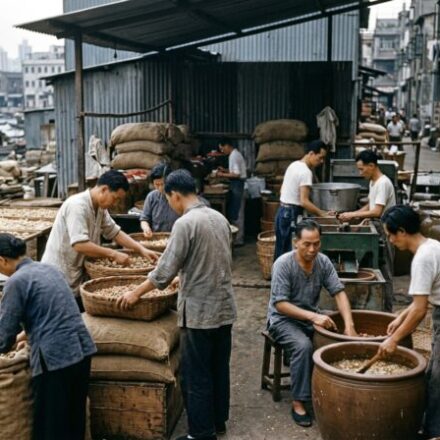
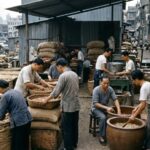
Preserved fruits, soy sauce (from early brands such as Tao Heung Tung Tin), and traditional Chinese medicine preparations all began local processing and production. Match factories and rattan workshops provided large numbers of entry-level jobs, with products supplying not only the local market but also exported to Southeast Asia.
The Seeds of the Textile Industry
Around the 1920s, Hong Kong saw the emergence of early hand-operated knitting mills and weaving factories, producing items such as socks and underwear. These small-scale workshops were the seeds from which the postwar textile boom would later grow.
Conclusion: The Golden Age Didn’t Appear Out of Nowhere
Taken together, Hong Kong’s manufacturing industry didn’t spring up out of nothing after the Second World War — it was built up step by step from the mid-19th century onward, through shipping support, dock repair, and the industries that grew alongside port trade. The steel of the Whampoa dockyards, the white sugar of the Taikoo refinery, the cement of Hung Hom, the hand looms of the rural villages — these seemingly scattered industries actually shared a single logic: anchored to the port, and flexible in responding to market demand. When capital and labor poured into Hong Kong in large numbers in the 1950s amid the turmoil of the era, what they inherited was an industrial infrastructure and commercial network that had already been running for over a century. In other words, the golden age of “Made in Hong Kong” took flight standing on the shoulders of these unsung industries from the earliest days of the port.