








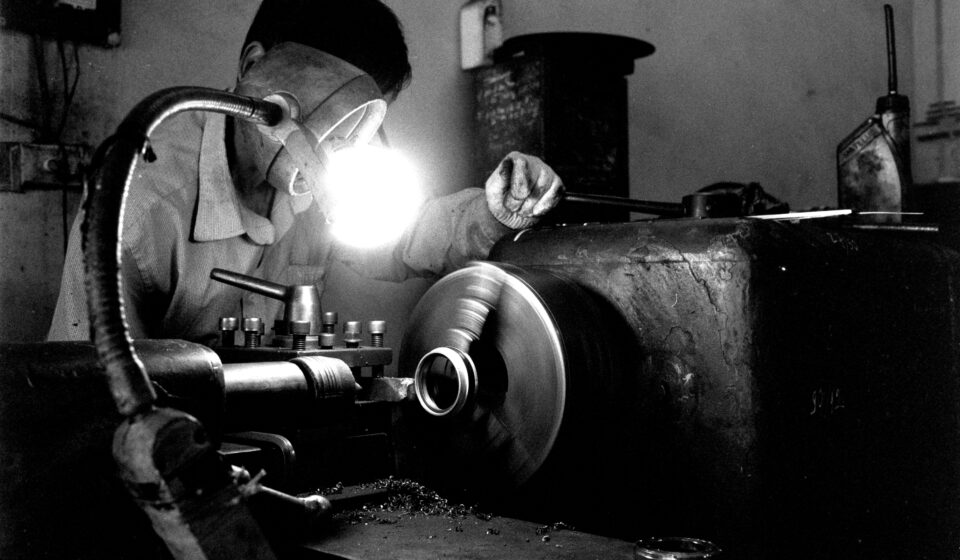
Early Industry in Hong Kong: From Processing and Repair to Small-Scale Production

To address the question readers keep asking — “What early industries did Hong Kong have?” — understanding where Hong Kong’s industrial story begins means looking well before the light-industry boom of the 1950s. From before the Second World War, and even back to the mid-19th-century founding of the port, Hong Kong’s industrial landscape was shaped mainly by port services, ship repair and construction, basic raw-material processing, and small-scale manufacturing serving local and regional markets.
1. Heavy Support Industries in the Early Colonial Period: Shipbuilding and Repair
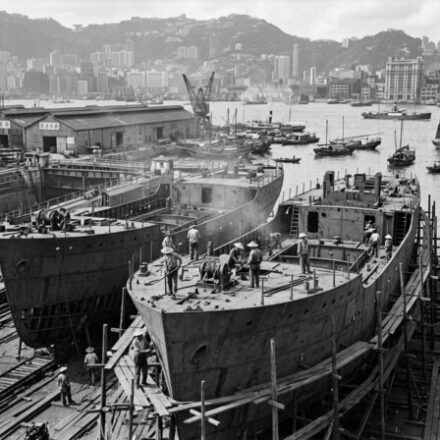
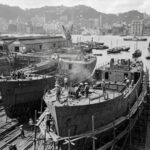
After Hong Kong became a port in 1841, its natural deep-water harbor quickly turned it into a major entrepôt in the Far East. To support the constant traffic of merchant ships and ocean-going fleets, ship repair and construction became the first heavy industrial sector to take root in the city.
- Major dockyards: Hong Kong and Whampoa Dock, established in 1863, and Taikoo Dockyard, completed in the early 20th century, were among the largest shipbuilding and repair facilities in the Far East at the time. Although these companies were set up with foreign investment, their construction and repair operations were based entirely in Hong Kong — making them genuine examples of historically “”Made in Hong Kong”” industry.
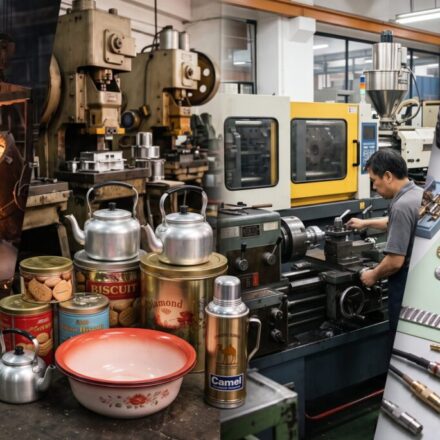
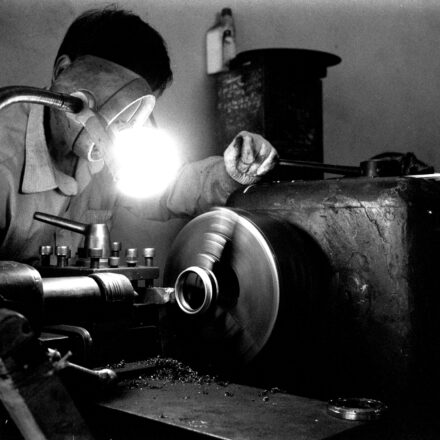
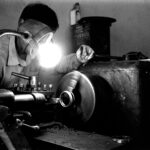
- Supporting metal and machine trades: Ship repair and construction drove the growth of related supporting industries, including metal casting, machine repair, blacksmithing, and rope manufacturing (such as the Hong Kong Rope Manufacturing Company), which together trained Hong Kong’s first generation of local skilled workers.
2. Raw Material Processing and Agricultural By-Product Industries
From the late 19th to the early 20th century, as the local population grew and trade demand from neighboring regions increased, Hong Kong began developing industries that refined and processed imported raw materials.
1. Sugar Refining and Food Processing
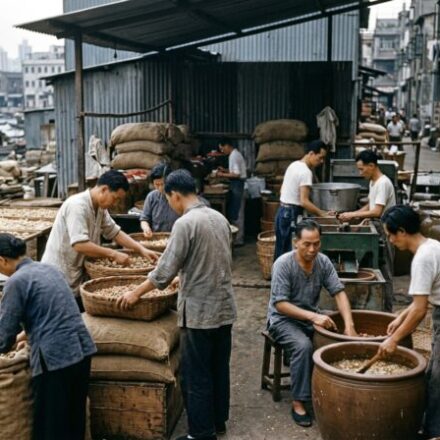
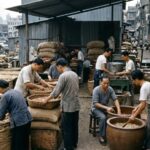
The Taikoo Sugar Refinery was completed in Quarry Bay in the late 19th century, importing raw sugar for refining and exporting the finished product to mainland China and Southeast Asia. As a brand that took root and built its production line in Hong Kong, Taikoo’s early sugar products are a textbook example of Hong Kong’s processed-for-export model. Alongside this, traditional food industries such as candied fruit preserving, soy sauce brewing, and flour processing also developed locally.
2. Manufacturing of Everyday Household Goods
During this period, small factories and craft workshops began producing a wide range of everyday items:
- Matches and soap: To meet everyday needs for lighting and cleaning, a number of small match factories and soap workshops sprang up locally.
- Rattan and wooden goods: Rattan and timber imported from Southeast Asia were processed into furniture for both export and the local market.
- Tobacco processing: Early tobacco companies set up factories in Hong Kong to shred imported leaf tobacco and pack it into cigarettes.
3. The Rise of Pre-War Chinese-Owned Light Industry: Flashlights, Rubber Shoes, and Knitwear
The 1920s and 1930s brought a marked shift in Hong Kong’s industrial structure. In 1932, Britain and its colonies signed the Ottawa Agreement, formally establishing the Imperial Preference System — under which any product manufactured in Hong Kong and exported to a Commonwealth country would qualify for reduced tariffs. The effect was immediate: it directly encouraged local Chinese capital to flow into weaving, rubber footwear, flashlights, and batteries, giving Hong Kong industry its first taste of large-scale “”production for export.””
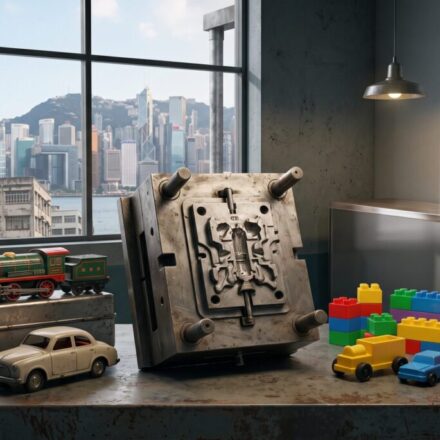
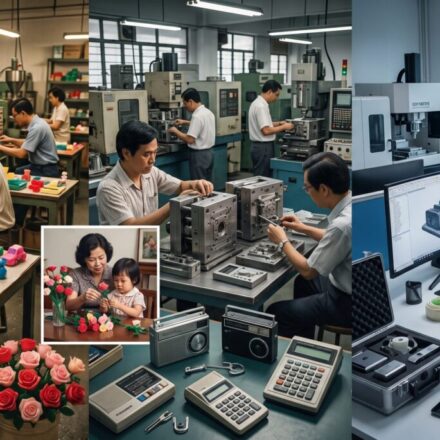
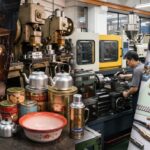
- Flashlights and dry-cell batteries: Hong Kong was once a major global production hub for flashlights, with local manufacturers using die-casting and assembly techniques to produce metal flashlights along with the dry-cell batteries that powered them. These products weren’t just “”Founded in Hong Kong”” brands — they were genuine examples of full production lines assembled entirely within the city.
- Rubber footwear: Fung Keong Rubber Manufactory, founded in 1925, was a leading example of this wave, followed by Chinese-owned rubber manufacturers such as Tai Hang and Asia. Beyond rubber shoes and slippers, these factories also produced rain boots and raincoats, and even switched to manufacturing gas masks during the war against Japan — a clear demonstration of the flexibility of Hong Kong’s pre-war light industry. Rubber footwear was exported in large volumes to Southeast Asia and the Commonwealth, making it one of the most representative export goods of the era.
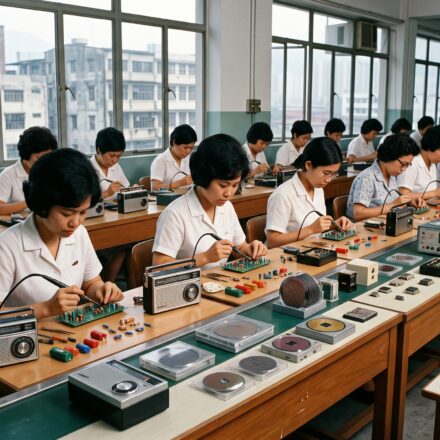
- Knitting and glove-making: The early knitting, weaving, and glove-manufacturing trades began to emerge during this period, laying the equipment and labor foundations for the explosive growth of Hong Kong’s textile and garment industry after the war.
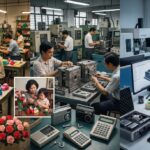
Just how large had this wave of Chinese-owned light industry grown? According to historical records, by the eve of Hong Kong’s fall in 1941, the city already had 1,200 registered factories and an industrial workforce of over 90,000 — figures that push the timeline for Hong Kong’s “”industrial beginnings”” back nearly a decade earlier than many people assume.
4. Historical Characteristics of Hong Kong’s Early Industry
Taken together, Hong Kong’s early industrial system before the 1950s shows several clear characteristics:
- Dependence on the port and entrepôt trade: Early industry mainly served shipping and trade, or relied on imported raw materials for secondary processing.
- A shift from “”repair services”” to “”independent manufacturing””: Industrial activity evolved from ship repair and port engineering into light-industrial export products made with genuine local production capability.
- Strong overlap between brand and place of production: During this historical phase, most brands founded locally (Hong Kong brands) also manufactured their goods locally, making them, in the strictest sense, historically “”Made in Hong Kong.””
Understanding this early history of processing, repair, and small-scale production helps paint a fuller picture of how Hong Kong built up its technology, capital, and trade networks step by step from a simple entrepôt. When capital and labor flooded into the city in the 1950s amid the turmoil of the era, what they inherited wasn’t a blank slate, but a mature production system that had already been running for nearly a century, backed by an industrial workforce of some 90,000 people.

Chief Editor, MIHK Focus
Directing editorial research on Hong Kong’s industrial history, heritage brands, and modern manufacturing trends. Focused on delivering structured observations, market insights, and archive-backed narratives on local production and commercial dynamics.
Follow Me